Showing posts with label native gardening. Show all posts

Tuesday, May 4, 2010

Tiny Wildflowers

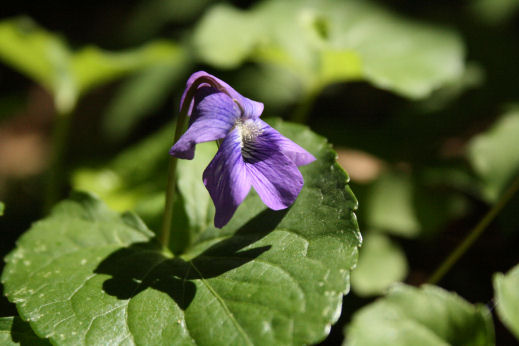
Everything micro tiny is cute! Here are some pics of little bitty wildflowers around my cabin... I know that the first one is the purple violet (and I have been told they are edible?) - if anyone knows the names of the rest of the wittle ones below please let me know! I'd love to learn about them. :)

BTW- tell me which ones are your favorite!?!

Xoxo

Sunday, May 2, 2010

Ramps! (Edible Native Mountain Leek)

What's that floatin' in my zodiac glasses, you ask?!? It's the most coveted, prized, celebrated, and hidden native onion plant of the Appalachian Mountains! Technically it's actually a leek, but my gawd it doesn't taste like one - it's a pungent, savory, delicious flavor that may just blow all other onions out the water. When I found these ramps being sold on the side of the road on HWY 209 (Duckett's down in Crabtree) I was ecstatic, because I had not yet found any growing in my little forest -
I was told they need shade but also a slightly open area to propagate, so i walked around till I intuitively felt I had hit good spots under a canopy of trees but with plenty space to grow.
The soil was dark under the leaves, rich, and fluffy - I dug a hole a couple inches down (4 inches or so) and placed 3 bulbs together in each hole. (You can place each one separately also.)

I chose spots where many other native plants are already thriving - this is a good way to know that the soil is right for the ramps.
The most fun part was when I bought these on the roadside the local people who ran the produce place told me "Nobody ever tells anyone else where their ramp patch is, so if you plant these don't ever tell anyone where you planted them..."

I won't tell. But next year when they grow if ya'll ask me for some I will definitely share! :)
Xoxoxo

Thursday, January 21, 2010

NWF's Gardening For Wildlife Guide!

These days most people landscape their yard according to whatever is available at their local Home Depot or Lowe's plant department... some people go to their local nursery too but don't realize they are buying all exotic plants which contribute to an imbalance in our ecosystem. Even in an urban area we can cater our gardens to feed, house and promote wildlife by taking some simple steps that just so happen to make your gardens beautiful too! The trick is to buy native plants for your garden and use sustainable food growing practices to reduce damage to the earth - native plants from your region already naturally thrive in the area making it resistant to drought, more hardy, and they tend to not wilt and die as often as store bought exotics (meaning you waste less $$$). Not to mention those exotic will attract exotic bugs - leading an uneducated gardener to grab insecticides to solve the problem, causing a further problem with their soil quality and thus beginning the endless cycle of sick plants being sprayed with chemicals.

Here is the National Wildlife Federation's Guide to Native Gardening (when you get your garden really going good you can have your property certified as a wildlife habitat!!!)

Provide Food for Wildlife

Everyone needs to eat! Planting native forbs, shrubs and trees is the easiest way to provide the foliage, nectar, pollen, berries, seeds and nuts that many species of wildlife require to survive and thrive. You can also incorporate supplemental feeders and food sources.

Supply Water for Wildlife

Wildlife need clean water sources for many purposes, including drinking, bathing and reproduction. Water sources may include natural features such as ponds, lakes, rivers, springs, oceans and wetlands; or human-made features such as bird baths, puddling areas for butterflies, installed ponds or rain gardens.

Create Cover for Wildlife

Wildlife require places to hide in order to feel safe from people, predators and inclement weather. Use things like native vegetation, shrubs, thickets and brush piles or even dead trees.

Give Wildlife a Place to Raise Their Young

Wildlife need a sheltered place to raise their offspring. Many places for cover can double as locations where wildlife can raise young, from wildflower meadows and bushes where many butterflies and moths lay their eggs, or caves where bats roost and form colonies.

Let Your Garden Go Green

How you maintain your garden or landscape can have an important effect on the health of the soil, air, water and habitat for native wildlife--as well as the human community nearby. Reducing chemical use, composting, mulching and reducing turf grass in your yard are important steps to gardening greener.

Ready...Set...Certify!

Once you have provided these essential elements to make a healthy and sustainable wildlife habitat, join the thousands of wildlife enthusiasts across the country who have earned the distinction of being part of NWF's Certified Wildlife Habitat™ program.

***The above guide was written by the NATIONAL WILDLIFE FEDERATION***

FYI: I have gotten 2 properties certified and helped get two others certified also by neighbors in Western North Carolina... looking forward to doing another! Super fun and super earthy project for anyone who loves nature. Yay! :)

XOXOXoxoo

Tuesday, April 7, 2009

Exotic Plants Indoors, Go Native Outdoors!

There are some exotic plants which are really beneficial for indoor air (like English Ivy or Mother's Tongue), meaning they are best kept contained indoors in a pot and not allowed to spread in nature. Most of the plants pushed on us by big corporate nurseries are plants that are not only invasive, genetically modified, and heavily chem sprayed, but are also damaging to the delicate ecosystem of your region. It's hard to resist them too since their flowers are soooo beautiful - the toxic hormones, fertilizers and pesticides make them look all perfect in the store, attracting us like a bee to a clover. But this year start something new gardening with flora native to your area - many of which are also medicinal & edible plus will thrive & propagate far better because they are in their natural climate!
Go here to the National Wildlife Federation's website where ya' can find out which top ten native plants are good for gardening in your area. Ask your nursery to carry plants native to your location and check at your local farmers market for vendors who sell natives (which is where I have found most of mine).

Sunday, April 5, 2009

Where The Wild Things Are

Today I took a walk into the woods and found one of my favorite wild native plants growing! When I first moved to Western North Carolina I took a short "Wellness Weeds" class by a painfully animated lady named Molly - she sang songs about "weeds" such as stinging nettles, chickweed & dandelion that made me never forget their edible nature. She also cultivated a deep love in me for knowing how to forage your own food and medicine right in your yard. Today I found Bloodroot, which is a very controversial medicinal plant used by the Native Americans, loved by Dr. Andrew Weil, and shunned by the medical community as being poisonous and deforming to the skin. The root also makes a red sap which can be used as a dye but should only be harvested with much care to keep the ecosystem going strong by not using too much.
Each Bloodroot plant makes only one delicate white flower growing very low to the ground, then it's tropical and oddly shaped leaves thrive in a beauty that is something like a mix between a succulent & a fig leaf. Isn't it purty?!!! I love Bloodroot (seriously, this is the second time I blogged about this awesome plant!)

xoxo